

Introduction
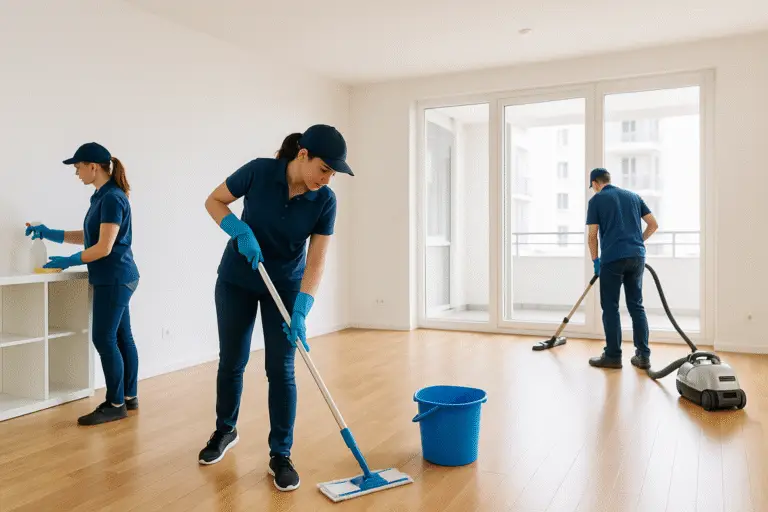
A change of tenant gives landlords a useful opportunity to reset a rental property. Routine tidying may leave grease, dust, and residue in places that receive little attention during everyday upkeep. A thorough clean can help present rooms well, identify maintenance needs, and create a more comfortable start for incoming residents. Planning this work between tenancies also gives cleaners access to empty spaces, making floors, cupboards, and fittings easier to reach.
Set a Consistent Cleaning Standard
A written checklist helps landlords assess each property consistently, regardless of who lived there before. Professional deep cleaning services in Auckland may suit homes that need more than a quick turnover clean. A detailed service can address accumulated grime in kitchens, bathrooms, and other high-use areas. The right scope depends on the property’s condition, agreed tenancy obligations, and any work already completed by departing residents.
Reduce Tenancy Disputes
Clear records can make discussions about cleaning more straightforward. A move-out inspection, dated photographs, and an agreed checklist help distinguish ordinary wear from areas requiring attention. Landlords should apply the same standards fairly and follow tenancy rules before making any deductions. A professional invoice can document work completed, but it does not replace the need for evidence or a proper assessment of the property.
Protect Fixtures and Surfaces
Dirt and residue can affect the appearance of flooring, taps, appliances, and benchtops. Regular attention may help prevent buildup from becoming harder to remove. However, each surface needs a suitable method, since harsh products or abrasive tools can cause damage. Cleaners should receive information about delicate finishes, previous repairs, and manufacturer guidance before work begins. This care supports the property’s upkeep without promising that every mark will disappear.
Welcome Incoming Residents
A fresh, orderly home can help new tenants settle in with confidence. Clean cupboards, sanitary bathroom fittings, and dust-free surfaces show that the property has received attention before handover. This first impression can also support a positive landlord-tenant relationship. Cleanliness does not replace prompt repairs or safe facilities, but it forms a practical part of preparing a home for its next occupants.
Address Overlooked Areas
Turnover cleaning can include spots missed during regular household routines. These may include rangehood filters, skirting boards, cupboard interiors, light fittings, and areas behind movable appliances. Bathrooms often need careful attention around grout, shower screens, and taps. The landlord should agree on priorities before booking, since the required time depends on room count, property size, and the amount of accumulated soil.
Match the Service to the Property
Not every tenancy needs the same level of work. A compact apartment with light use may require fewer tasks than a large family home with several bathrooms. Landlords can request a written scope that lists included rooms, specific tasks, exclusions, and pricing. Comparing quotes on the same basis makes costs easier to assess. Any extra work should be approved before it begins.
Schedule Work Between Tenancies
A suitable booking window gives cleaners time to complete agreed tasks without delaying the next move-in. Landlords should allow for inspection, repairs, cleaning, and any follow-up work. Sharing access details and arranging utilities in advance can prevent avoidable interruptions. Where contractors are also visiting, the cleaning appointment should follow dusty or disruptive repairs, so finished surfaces do not need another round of attention.
Document the Finished Property
A final walk-through allows landlords to check whether the agreed scope has been completed. Photos taken after cleaning can record the condition of important rooms and fittings before new residents arrive. Any missed task should be raised promptly with the provider. Keeping the checklist, invoice, and inspection notes together creates a useful record for future maintenance planning and tenancy communication.
Conclusion
Professional cleaning between tenancies can help landlords prepare a property with greater consistency. A defined scope, fair inspection process, and sensible booking schedule make the work easier to manage. Attention to kitchens, bathrooms, floors, and overlooked fittings may improve presentation while supporting routine care. Each home has different needs, so the service should reflect its condition rather than follow a fixed assumption. With clear records and practical expectations, the next handover can begin on a cleaner footing.
Be the first to write a comment.