

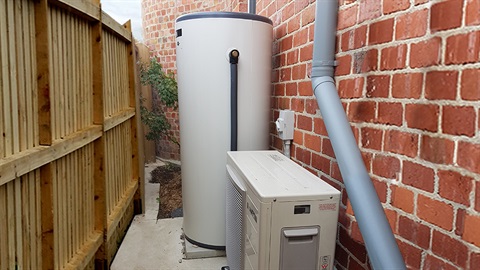
Solar hot water systems are an efficient method to save on electricity expenses while utilising environmentally friendly technologies. However, for many households, the initial installation cost may hold them back. This can help a little, so a solar hot water system rebate could assist with this and open up renewable energy options to more people. This guide explains how homeowners can apply for a refund to encourage informed decision-making.
Getting to Know Rebates on Solar Hot Water System
A rebate for a solar hot water system is a monetary incentive offered through government or utility programs. Objective: Promotion of the adoption of energy-efficient water heating solutions. Since rebates usually only cover part of the installation, the implication is that families save enough on their bills to make the installation even cheaper.
Depending on the region, programs may differ in their application, but the majority do require some proof of installation and/or compliance with specific system specifications. Along the same vein, you should always check the eligibility requirements before starting to prevent unexpected headaches. With this information, the process of your application will be smooth and efficient.
Step 1: Check Eligibility
These stipulations may be related to the property type, system size, or energy efficiency rating. Some programs specifically apply to residential properties, and others can also be used to commercial buildings. Ensure that all technical requirements are fulfilled by the system you have selected. You may need to provide documentation of existing water heaters to demonstrate your qualification.
However, before you go out and start building, homeowners need to check with local regulations, as requirements vary by location. By making it compliant from the start, you can avoid delays or rejection of applications. Having a solid grasp of these terms lays the groundwork for a smooth rebate process.
Step 2: Hire a qualified installer
Rebates are usually only approved if you hire a certified installer. Experts ensure that it is installed in compliance with industry standards. An installation that is done correctly maximises the energy savings and minimises the chances of the system failing.
With an installer, experience, reputation, and any certifications that accompany it are important. Ask for references or check on some previous work to ensure they can be trusted. An efficient system is properly installed; it should be eligible for a rebate and work well for many years to come.
Step 3: Gather Required Documentation
Important if you are about to apply for a rebate for your solar hot water system. Commonly required items include:
Proof of purchase and installation
System specifications and efficiency ratings
Installer certifications
Property ownership or tenancy proof
Having proper records makes the submission easier. Certain programs give applicants detailed checklists. It helps decrease processing time and the risk of potential application errors by ensuring the appropriate completion of documentation.
Step 4: Submit the Application
Online and paper applications for submitting rebates. In fact, most programs will have online portals to make the submission process easier. Ensure that all details are correct when filling out the application. Any mistakes could lead to delays or even a denial.
All forms must be signed and accompanied by supporting documents. Having copies of submissions available serves as a reference point in case any follow-up is needed. Submission of some rebates is equally time-sensitive, as with the first-come, first-served approach.
Step 5: Inspection and Approval
Certain rebate programs also require an inspection to verify that the installation was done correctly. Inspections may include the inspection of system type and installation quality to ensure compliance with the efficiency standard. Having the property ready for inspection makes for an easier analysis.
After inspection, the application is reviewed by the program. When approved, it typically comes in the form of a rebate, such as a credit, check, or payment to the installer. Tracking the application status keeps homeowners informed about when to expect a return on their investment.
Step 6: Receive the Rebate
Once approved, the rebate is typically deducted from the installation costs or reimbursed to the homeowner. Various programs offer a range of rebates, some are partial, while others are set at a specified percentage of the total cost. It concludes with receiving the rebate, a confirmation that the process has been completed.
This reduces energy bills and the environmental impact, enabling homeowners to reap the benefits. Property value also rises when you install solar hot water systems, and this is a long-term benefit that saves you money straight away.
Tips for Maximising Benefits
Solar hot water system rebates can be even more beneficial if you know how to take advantage of them.
Now it is a free app where you can compare a few programs to find your best rebate.
Time installations to coincide with rebate schedules when funds are available
This will enable the company to avoid the hassle of frequent breakdowns, which is essential to maintain regularly to ensure maximum efficiency from the system.
Retain all invoices and documentation for subsequent use
Utilising these strategies could enhance both financial and environmental performance.
Conclusion
The installation of a hot water system rebate brings additional financial relief while also promoting the use of clean energy. Homeowners may cash in on incentives as they learn to identify eligibility, hire certified installers, compile the necessary documentation, and follow the steps needed to apply for them. If you follow these steps, you can ensure that solar water heating not only becomes a viable investment but also a rewarding one. Finding a solar hot water system rebate is an excellent way to make the switch to renewable energy more affordable and easier to navigate. This allows homeowners to benefit from savings while helping to preserve the environment.
Be the first to write a comment.