

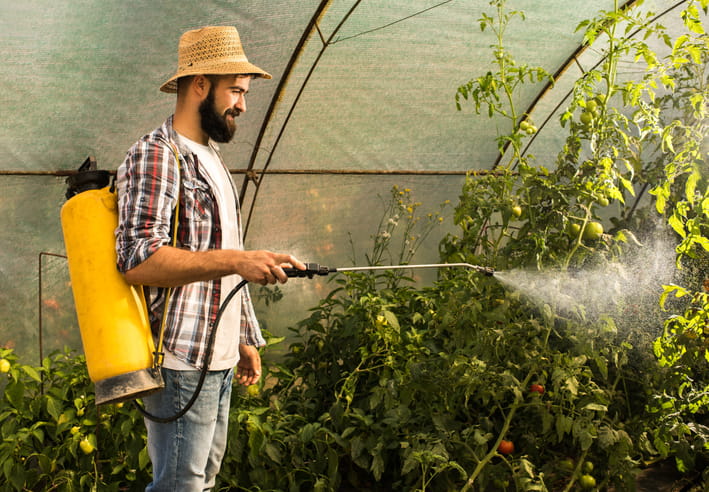
Controlling pests has long been a challenge for homeowners and businesses alike. Traditional pest control often relies on chemical treatments that can harm the environment and affect human health. Increasing awareness of sustainability has prompted a shift toward eco-friendly approaches. These methods provide effective solutions while protecting the planet and promoting a healthier living environment. By understanding various strategies, individuals can reduce pest populations safely and responsibly.
Understanding Eco-Friendly Pest Control
Eco-friendly pest control focuses on minimizing environmental impact while managing pest activity. Unlike conventional chemical approaches, these strategies emphasize prevention, natural deterrents, and non-toxic solutions. This approach benefits both residential and commercial settings, ensuring that humans, pets, and wildlife remain safe. The goal is not only to eliminate pests but also to maintain ecological balance.
A key principle in environmentally friendly pest management is prevention. By addressing potential problem areas before infestations occur, homeowners can significantly reduce the need for intensive treatments. Effective prevention requires understanding the habits and life cycles of pests. Knowledge of these patterns helps identify vulnerabilities that can be exploited without introducing harmful substances.
Natural Deterrents and Barriers
One of the most accessible eco-friendly methods is the use of natural deterrents. Certain plants, oils, and substances repel insects and rodents effectively. For example, peppermint oil, neem oil, and citronella are known to deter ants, mosquitoes, and other common pests. Incorporating these oils into sprays or diffusers provides a chemical-free alternative that is safe for children and pets.
Physical barriers also play a crucial role. Installing mesh screens, sealing cracks, and using weather stripping prevents pests from entering homes and offices. These measures reduce dependence on chemical solutions while providing long-term protection. Regular maintenance of these barriers ensures that they remain effective over time.
Biological Control Techniques
Biological control involves using natural predators or organisms to manage pest populations. Ladybugs, for instance, feed on aphids, while nematodes can target soil-dwelling pests. Introducing these beneficial species maintains the ecological balance and controls pests without toxic chemicals. Gardeners and farmers often adopt these strategies to protect crops naturally.
Additionally, fostering habitats for natural predators supports ongoing pest control. Birds, frogs, and certain insects contribute to reducing unwanted species. Encouraging such wildlife creates a self-sustaining ecosystem where pests are naturally managed. Careful planning ensures that these methods do not inadvertently introduce new challenges.
Integrated Pest Management
Integrated Pest Management (IPM) combines multiple strategies to achieve effective control. This approach evaluates pest activity, identifies the most suitable intervention, and prioritizes non-chemical methods. IPM includes monitoring, habitat modification, and the judicious use of eco-friendly treatments when necessary. By relying on observation and targeted action, it minimizes environmental impact while maintaining pest control efficiency.
Monitoring plays a central role in IPM. Traps, visual inspections, and tracking devices help determine pest presence and severity. Accurate monitoring ensures that interventions are applied only where needed, preventing unnecessary treatments. This targeted strategy conserves resources and reduces exposure to potentially harmful substances.
Safe Use of Organic Pesticides
Organic pesticides provide an additional layer of eco-friendly pest management. Derived from natural ingredients, these substances are less harmful than synthetic chemicals. Pyrethrin, extracted from chrysanthemum flowers, is effective against many insects while posing minimal risk to humans and animals. Similarly, diatomaceous earth can control crawling pests without introducing toxic residues.
Proper application of organic pesticides is essential. Even natural substances can cause harm if misused. Following manufacturer guidelines and using targeted methods ensures that treatments remain safe and effective. Combining organic solutions with prevention, barriers, and biological control creates a comprehensive strategy for pest management.
Environmental Considerations
Eco-friendly pest control also emphasizes environmental responsibility. Traditional chemical treatments often contaminate soil, water, and air. In contrast, sustainable methods minimize chemical runoff and preserve biodiversity. This approach reduces the ecological footprint of pest management and contributes to long-term environmental health.
Water conservation is an important aspect of eco-friendly methods. Standing water attracts mosquitoes and other pests. By eliminating stagnant water around homes and gardens, pest populations can be controlled without introducing chemicals. Regular maintenance of water features and drainage systems enhances these efforts.
Hygiene and Sanitation Practices
Cleanliness significantly influences pest activity. Pests are attracted to food sources, clutter, and waste. Implementing proper hygiene practices reduces the likelihood of infestations. Storing food in sealed containers, disposing of garbage promptly, and maintaining clean surfaces are effective preventive measures.
Regular inspections of kitchens, storage areas, and outdoor spaces help identify early signs of pests. Small actions, such as sweeping crumbs, cleaning drains, and organizing storage, can prevent problems before they escalate. Hygiene practices complement other eco-friendly strategies and provide consistent results.
Landscaping for Pest Prevention
Landscaping can support pest control naturally. Certain plants act as repellents, while others attract beneficial insects. Marigolds, basil, and lavender deter mosquitoes and flies, while flowering plants can attract pollinators and predators of pests. Strategic placement of these plants enhances both aesthetics and pest management.
Maintaining outdoor areas is equally important. Overgrown vegetation and dense mulch can harbor pests. Regular trimming, clearing debris, and proper soil management discourage infestations. Well-maintained landscapes create a balanced environment that naturally resists pest intrusion.
When Professional Assistance Is Needed
Even with preventive measures, some situations require expert intervention. Professional services can provide assessments, targeted treatments, and long-term management plans. Choosing environmentally conscious providers ensures that methods remain safe and sustainable. Homeowners seeking expert guidance can consider options for pest control services in Sydney, which offer expertise in eco-friendly practices.
Professionals often combine monitoring, organic treatments, and habitat modification to manage complex infestations. Their knowledge of pest behavior and regulatory standards helps ensure safe, compliant solutions. Engaging skilled technicians allows for effective control without compromising environmental integrity.
Advantages of Eco-Friendly Approaches
Adopting eco-friendly pest control offers numerous benefits. Safety is a primary advantage, as chemical exposure is minimized for humans, pets, and wildlife. Long-term cost efficiency is another factor; prevention, natural deterrents, and sustainable landscaping reduce recurring expenses. Additionally, environmental stewardship promotes biodiversity and preserves soil and water quality.
These methods also support community health. Reducing toxic chemicals in homes and neighborhoods limits exposure risks and contributes to a healthier living environment. Eco-friendly pest management demonstrates responsibility toward both local ecosystems and human populations.
Conclusion
Eco-friendly pest control represents a balanced, sustainable approach to managing unwanted species. Through prevention, natural deterrents, biological control, and careful use of organic pesticides, individuals can maintain safe and effective pest management. Hygiene, landscaping, and integrated strategies enhance long-term results while minimizing environmental impact.
Although some infestations require professional guidance, sustainable methods offer significant advantages for both homes and businesses. By embracing these practices, communities can protect themselves, support biodiversity, and reduce ecological harm. The shift toward eco-friendly solutions demonstrates a commitment to health, safety, and environmental responsibility, ensuring a harmonious coexistence with nature.
Be the first to write a comment.